

You Know Your Hamster Best Hand Timing

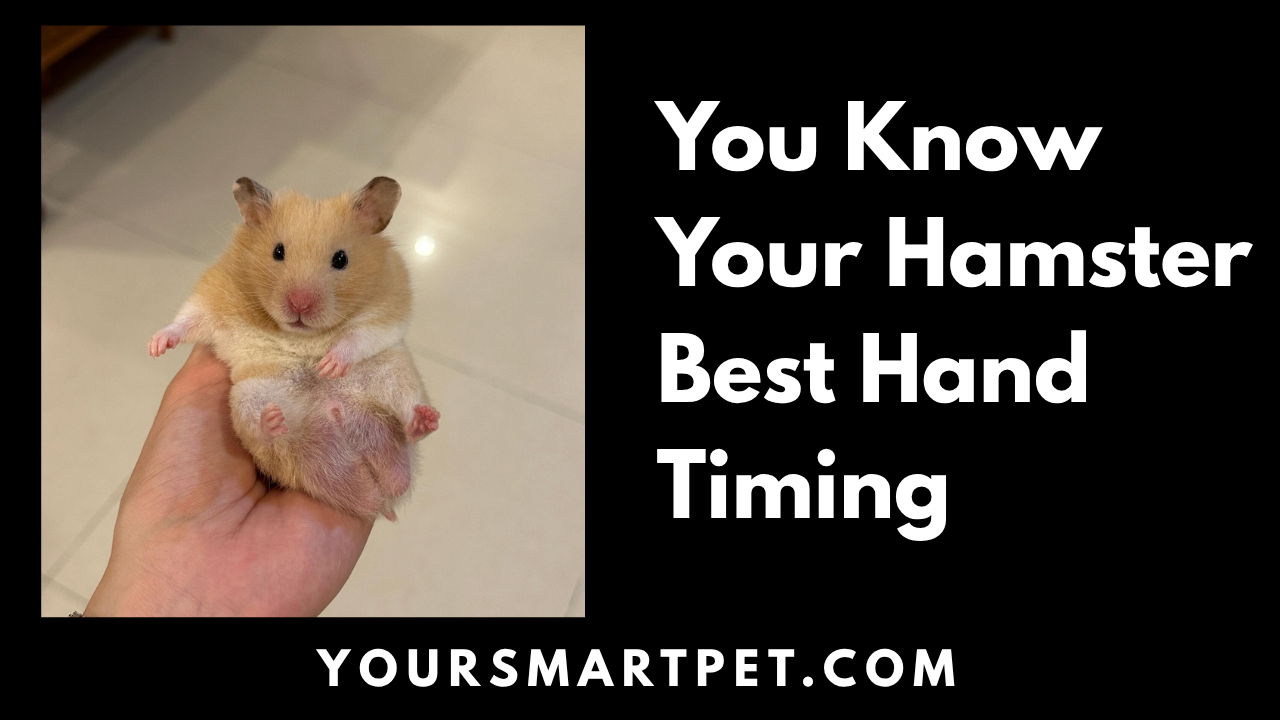
Hello, Pet Owners, The hamster is a small, adorable creature that requires a great deal of care. While agile and lively, hamsters are also quite delicate animals; Therefore, several precautions must be observed when handing them. It is crucial to ensure that the hamster feels completely comfortable with you. Since they are so fragile, avoid gripping the hamster too tightly or handing it in a hasty manner, as this can cause injury. Furthermore, a frightened hamster may bite, making it reluctant to approach or be held by you in the future, and and causing it to develop a fear of you.
Therefore, before attempting to pick up a hamster, first assess its mood. Speak to the hamster gently and observe whether it appears whether it appears to be cowering or showing sings of fear while you interact with it. If it seems at ease, you may then pick it up; while holding it, continue to speak to it affectionately and offer its favorite treat. This helps the hamster feel positive and comfortable in your presences, fostering a sense of safety and security. These are just a few key points that every hamster owner should know to ensure a strong bond with their pet, encouraging the hamster to come to you willingly and feel secure in your care.
Some Important Things Do You Know These Things
1. Allow your hamster to sleep during the day, as hamsters are primarily nocturnal creatures; they are most active at night and spend the majority of the day sleeping. Therefore, refrain from disturbing your hamster during the day.
2. Ensure that fresh food and water are always available in the hamster cage at night, as this is when it is active, while it rests during the day. Because hamster eat more food at night and they start eating during the day.
3. Hamsters should not be given excessive amounts of food; rather, their food intake should be kept moderate. If a hamster becomes overweight, it negatively impacts is health and also causes it to become lethargic-conditions that are detrimental to a hamster well-being.
4. If you observe your hamster moving around actively within its cage, it is a sign that it wants to play with you. You can gently pick it up in your hands to interact with it; This is the perfect opportunity to play with your hamster and gradually extend a friendly hand toward it, thereby encouraging it to feel comfortable and come to your hands with ease.
5. Be sure to deep clean your hamster cage once or twice a week to ensure the hamster remain safe, secure and healthy.
You Know Your Hamster Best Hand Timing
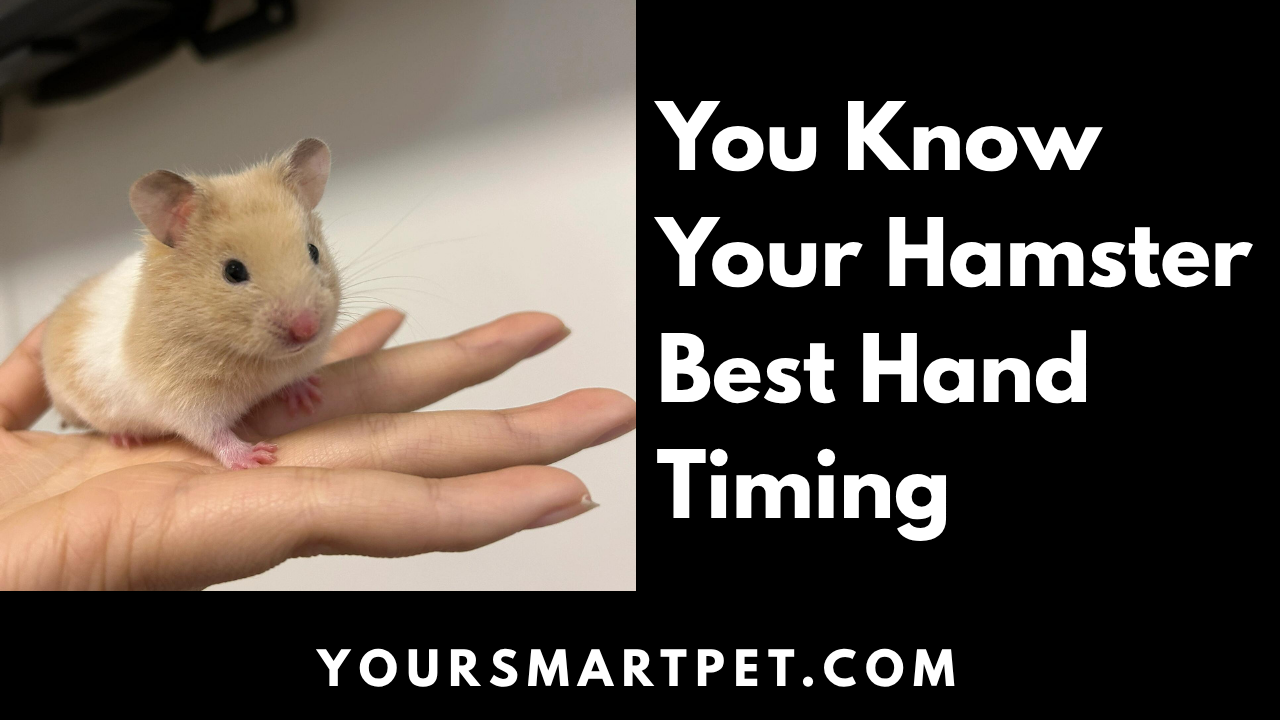
1. Know Your Hamster Behaviour
The hamster is a small, adorable animal that requires a great deal of care. Furthermore, understanding a hamster behavior is crucial; this knowledge allows you to gain insight into your specific pet. If you wish to handle your hamster–that is, pick it up in your hands-doing so after you have familiarized yourself with its behaviour ensures that the hamster feels comfortable and safe in your presence. This process fosters a strong bond between you and your pet, allowing it to feel completely at ease with you. Therefore, keep these points in mind when handling your hamster, and use your understanding of its behavior to determine the appropriate time to pick it up.
Key Benefits:-
1. Hamster are more active and happy at night, so you can hold them in your hands during that time.
2. If your hamster runs rapidly back and forth within its cage, it means it wants to play with you. This is the absolute best time to pick up your hamster; the hamster also feels secure at such moments, so you can safely hold it in your hands.
3. Take a little time out to interact with your hamster. If the hamster sits still in one spot and listens to you, that is the perfect moment to gently pick it up.
4. If the hamster stands up on its hind les, it indicates that it wants to play with you; at this moment, you can easily pick it up or it may even climb into your hand on its own.
5. If your hamster is hiding inside its cage-perhaps concealing itself specifically when it sees you-but then keeps venturing out, you should talk to it during these moments. If it stops hiding and peeking out in the first place is that, at that very moment, the hamster was eager to play with you.
6. Even while offering your hamster its favorite food, you can gently attempt to hold it in your hands. However, keep in mind that if the hamster suddenly stops eating, you should calmly place it back in its cage so that it can resume eating at ease; sometimes, hamster can get frightened.
7. Keep the hamster living area clean and ensure a fresh supply of food and water; this helps the hamster feel comfortable around you and prevents it from feeling fearful of approaching you.
8. If your hamster appears lethargic, moves slowly, or simply sits still, it is likely ill. In such instances, do not disturb the hamster; instead, take it to a veterinarian, give it some time to recover, and leave it alone.
9. If your hamster does not seem comfortable around you or appears to be afraid of you, do not worry. It takes times for a hamster to recognize your scent. Additionally, offer your hamster its favorite foods; this will help it begin to feel at ease with you and stop being afraid. Gradually, it will start approaching you on its own, at which point you can pick the hamster up in your hands.
